E0027 · Jul 11, 2026 · 2h 52m 22s
How To Train An Emcee: From Competition To Curriculum: Stretch
A conversation with Stretch
Choose to load the YouTube player. No video loads automatically.
Inside the conversation
What separates a rapper from a true emcee? In this episode, Stretch joins Kalaj Dame for a conversation about emceeing, freestyle culture, hip hop competition, lyricism, artist development, creative discipline, and why mastering the fundamentals matters more than chasing viral moments. Stretch shares the experiences that shaped him—from growing up navigating Pittsburgh's neighborhoods through hip hop to becoming one of the country's most respected freestyle competitors and founders of Rhyme Calisthenics. Rather than treating emceeing as a talent you're born with, he explains why it should be taught as a curriculum that develops confidence, discipline, quick thinking, communication, and creat
Jump into the conversation
These chapter links open the matching moment on YouTube. You can also load the player above and choose a chapter there.
- Intro ↗
- Why Rhyme Calisthenics Is So Intimidating ↗
- Stretch's Introduction to Hip-Hop and His Early Years ↗
- Finding Direction Through Music and Life Experiences ↗
- Moving to New York and How It Changed His Perspective ↗
- Creating Rhyme Calisthenics and Building a Community ↗
- Why Traditional Performances Don't Fully Measure an Emcee ↗
- Breaking Down How Rhyme Calisthenics Works ↗
- Competition, Rankings and Developing Better Emcees ↗
- Judging, Preparing and Growing Through Competition ↗
- Turning Rhyme Calisthenics Into a Curriculum ↗
- Teaching Creativity Instead of Copying Other Artists ↗
- Preserving Hip-Hop Culture Beyond the Music Industry ↗
- Hip-Hop Culture vs. The Business of Music ↗
- Originality, Identity and Bringing Back True Emceeing ↗
- Record Labels, Collaboration and Pittsburgh Hip-Hop ↗
- Teaching the Next Generation Before the Culture Is Lost ↗
- AI, Technology and the Future of Rhyme Calisthenics ↗
- Closing Thoughts ↗
Keep your curiosity moving.
All episodes ↗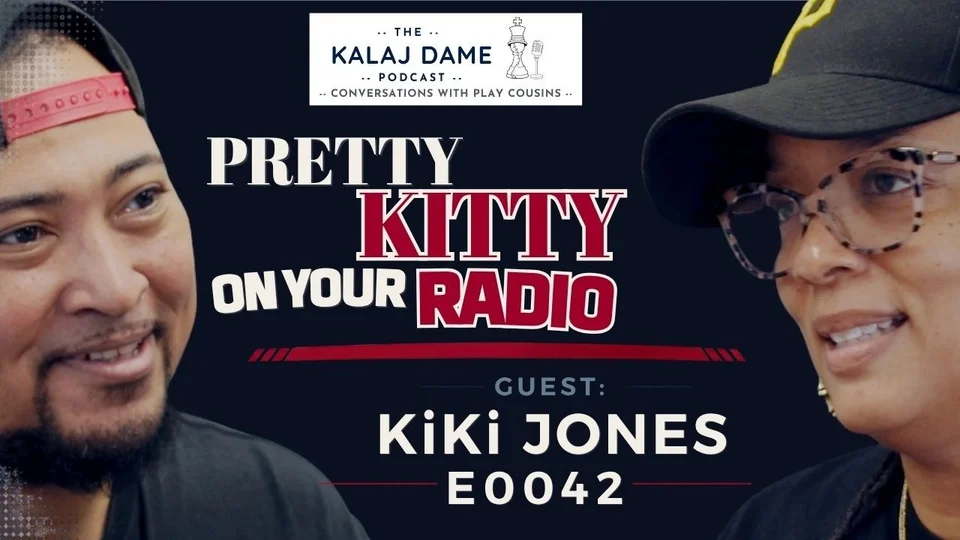
Pittsburgh's First Black Woman Radio Program Director: KiKi Jones
KiKi Jones joins Kalaj Dame to discuss her career at WAMO, leadership in radio, and the relationship between broadcasting and Pittsburgh’s community.
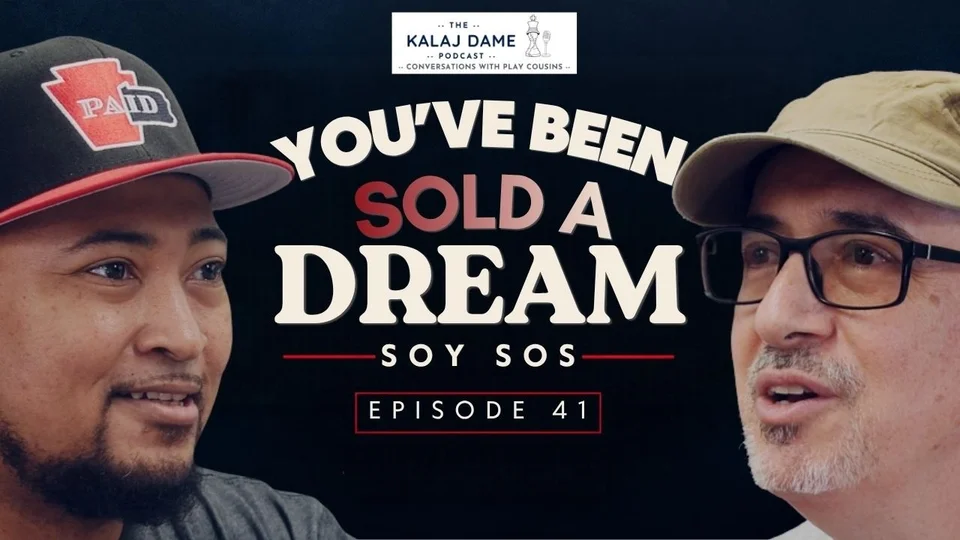
Why Don't Rappers Aim for Middle Class?: Soy Sos
Producer and recording engineer Soy Sos discusses building a sustainable career in music, Pittsburgh hip-hop history, and the changing recording studio.
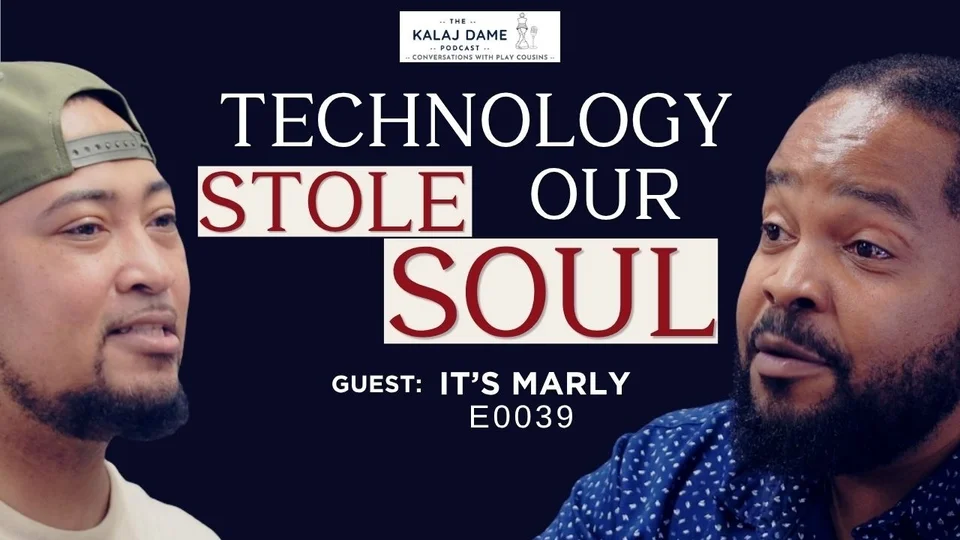
Good Things Are Lame In The Hood: It's Marly
It’s Marly talks about hip-hop, the Mind of Marly podcast, and learning through other people’s experiences.